


Public Sector Interpreting

Certified interpreting designed for the unique demands of regulated public institutions

Realiable Interpreting: Built for the scale the public sector needs

Framework Proven: Compliant with procurement standards

Full Coordination: Interpreters, tech, equipment & support

Tesla logo
ExxonMobil logo
Amazon logo
IBM logo
Coca-Cola logo
L’Oreal logo
Johnson & Johnson logo
United Nations logo
Air France logo
UBS logo
Lilly logo
Tesla logo
ExxonMobil logo
Amazon logo
IBM logo
Coca-Cola logo
L’Oreal logo
Johnson & Johnson logo
United Nations logo
Air France logo
UBS logo
Lilly logo
Preheading Text

Interpreting for the Institutions Citizens Depend On

Public services run in many languages every day, in settings where misunderstandings carry real consequences. Each setting carries its own standard. We provide interpreting built to meet it.
Preheading Text

Interpreting for the Institutions Citizens Depend On

Public services run in many languages every day, in settings where misunderstandings carry real consequences. Each setting carries its own standard. We provide interpreting built to meet it.

Demonstrate Compliance, Session After Session

The interpreting itself is rarely where public bodies come unstuck. The harder part is showing, for any given session, that a qualified interpreter was in place and the standard was met. 

When that evidence lives across several providers and regions, it's slow to pull together and easy to leave incomplete. A missing credential or an unlogged session becomes a gap you can't fix after the fact. 

One accountable framework closes that gap. Every session documented, every interpreter verified, every region held to one standard - so the evidence is there whenever it's needed. 
doctor interacting with immigrant family
border patrol officer meeting with citizen

Certified. Logged. Every Session Accounted For

Public services need more than interpreters on a list. They need evidence of who's qualified, proof the service performs, and one partner answerable for all of it.
Credentials that Meet the High Bar of Public or State Authorities

Every interpreter is vetted for proficiency, domain knowledge, and the right credentials each setting requires – sworn status for legal proceedings, certified in relevant jurisdictions, Rbtv registration in the Netherlands, and US federal and state court certification where it applies.

Data stays within government-grade security, meeting your data residency requirements, while our processes meet high ISO standards, including ISO 21998 for healthcare interpreting, ISO 18841 for interpreting services, backed by ISO 27001 information security and GDPR data handling. 

Every Domain and Language You Serve – Covered

Our specialist interpreter pools, with a network of over 10,000 professionals, cover justice, healthcare, social services, immigration, education, and more, so your interpreter will always be up to speed with the conversation. We also handle rare and minority languages, sign language, and deaf interpreters. 

Measurable Performance, with Audit-Ready Records

We work to defined SLAs and track fulfilment and response times in real time, so service performance stays visible and backed by data. Every session is recorded in full, leaving a complete trail for tender review or inspection - ready in advance, not assembled after the fact. 

One Partner Across Agencies and Channels

All your interpreting needs can be delivered under a single contract with central reporting. One framework can serve several agencies at once, keeping coordination and oversight with us instead of your team. Round-the-clock cover and surge capacity absorb the peaks - emergencies, urgent hearings, and sudden spikes in demand. 

Governed AI, Built for Public Sector Standards

AI can take on the interactions that don't need a human interpreter - such as non-critical or internal exchanges - while people stay in charge of the conversations that do. We help you find where it fits across your services, taking on the complexity for you. 

Governed AI, Built for Public Sector Standards

AI can take on the interactions that don't need a human interpreter - such as non-critical or internal exchanges - while people stay in charge of the conversations that do. We help you find where it fits across your services, taking on the complexity for you. 

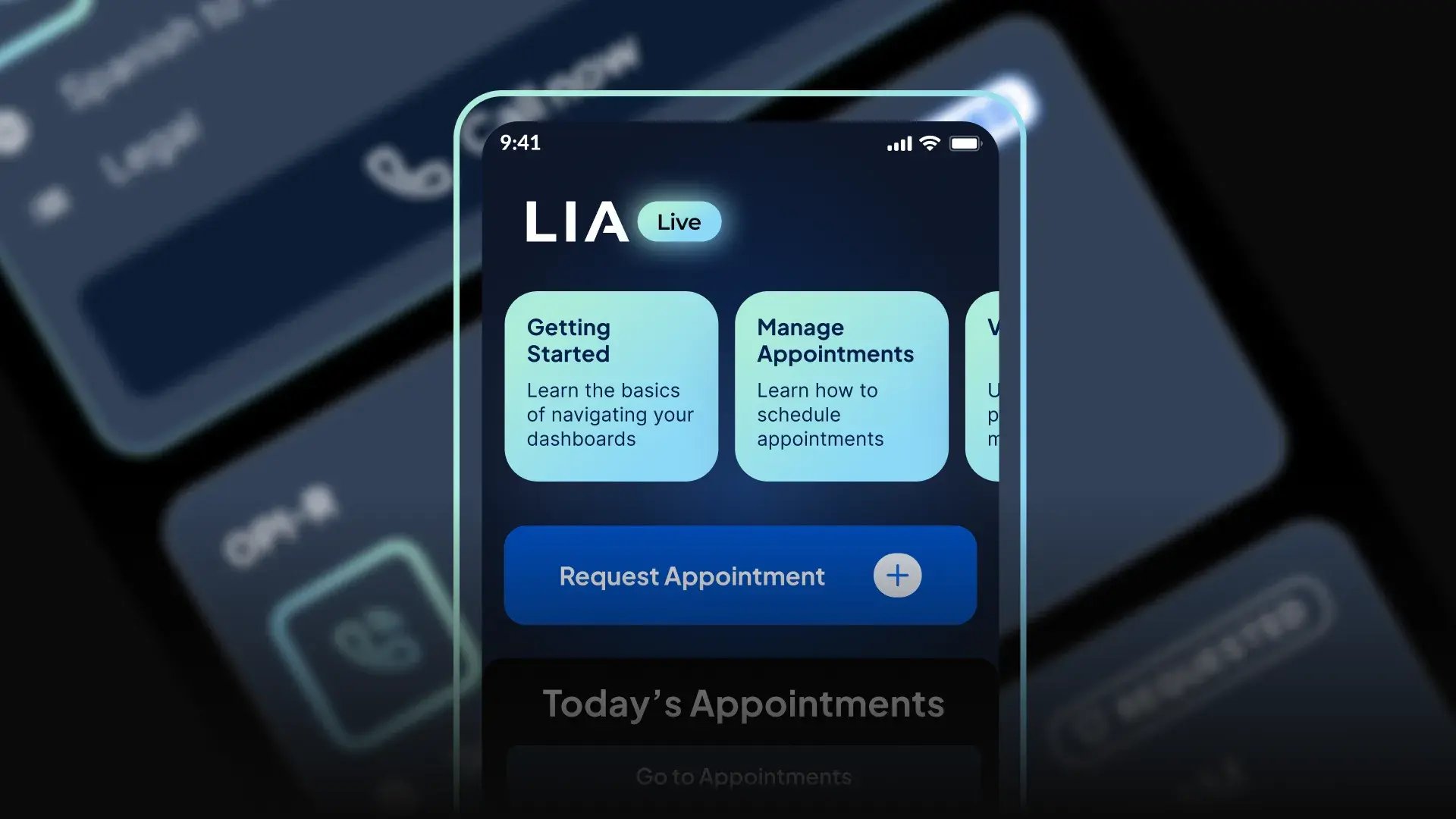
Powered by Lia Live

Lia Live is Acolad's omnichannel interpreting platform. Human expertise, AI-augmented interpreting and intelligent orchestration in one place. 

colorful portraits of people surrounding the Acolad logo

Talk to an expert

Whether you’re shaping a tender or comparing providers against a live framework, we’ll walk you through how we meet the credential, SLA, and audit requirements you’re scored on. 

Frequently Asked Questions
What is public sector interpreting?

Public sector interpreting provides language services to government, justice, public health, education, and other public institutions. It must meet legal language access mandates, framework requirements, and audit standards. 

How does interpreting work under a public sector framework agreement?

A framework agreement defines interpreter qualifications, fulfillment rates, response times, and audit requirements. We deliver against framework SLAs with full traceability and one accountable contract across participating agencies. 

Are public sector interpreters certified?

Yes. They’re vetted for language proficiency, domain specialization, and jurisdictional certification: sworn interpreters for legal settings in the EU, ISO 21998 for healthcare, Rbtv-registered in the Netherlands, and US federal and state court certifications. 

How is audit and compliance handled?

Each session produces a complete record, available for inspection or scrutiny, and reports are generated to match each framework’s requirements. 

Is AI interpreting used in the public sector?

Human interpreters remain the standard. The EU AI Act treats unsupervised AI in regulated contexts like healthcare, justice, and asylum as high-risk. AI can complement specific non-sensitive workflows under explicit disclosure and human oversight.