2026-03-12
On-Site, OPI, or VRI: How to Choose the Right Interpreting Setup
A court may need an interpreter to join by phone when no one is available on-site. A hospital may use video interpreting so a patient can communicate with a clinician through a sign language interpreter in real time. A customer service team may rely on on-demand phone interpreting to handle large volumes of calls across multiple languages.
Each scenario has different demands, which means each calls for a different interpreting setup. Choosing the wrong one can lead to unnecessary delays, added cost, or avoidable risk.
This article addresses the practical question at the center of that decision: which interpreting approach is right for your situation?
What Each Approach Actually Involves
On-site Interpreting
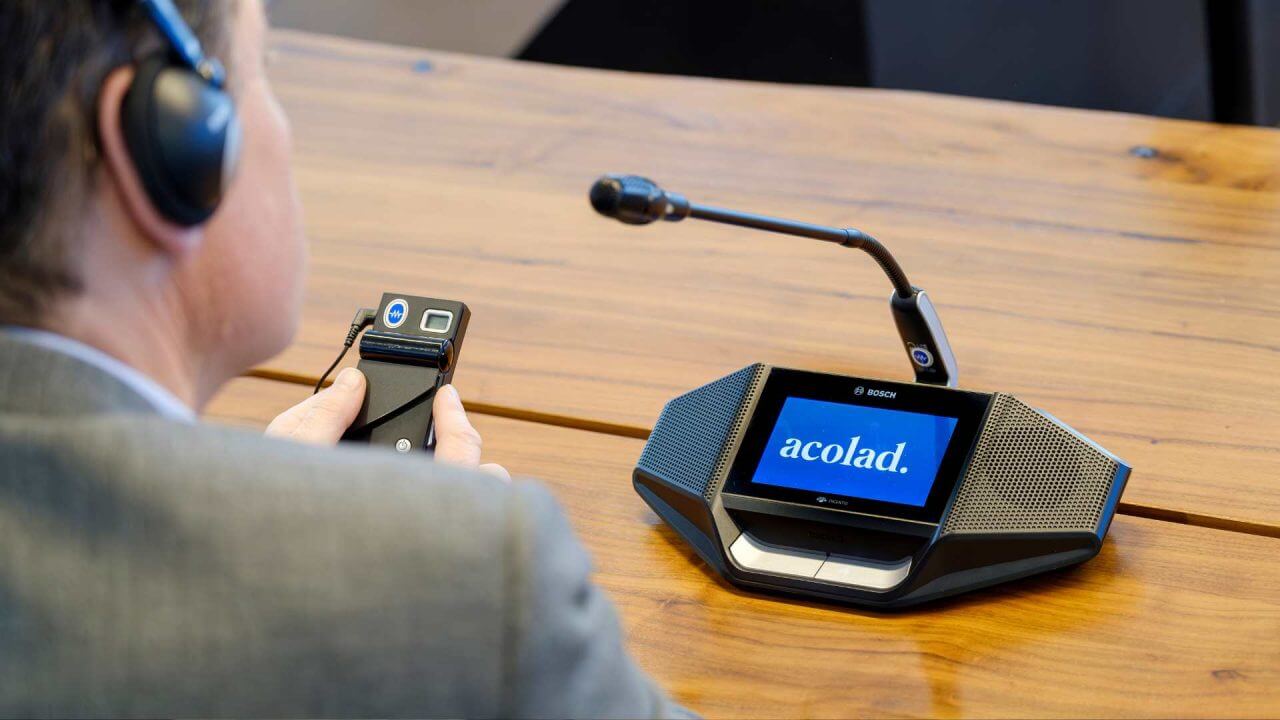
The interpreter is in the room. They hear everything, see everything, and are part of the interaction - managing turn-taking, reading body language, providing certified testimony if required. This is what courts, asylum interviews, and complex medical procedures depend on.
The trade-off: it requires advance booking, is limited by location, and costs more per session.
Video Remote Interpreting (VRI)
The interpreter joins by secure video. A hospital in a rural area connects to a sign language interpreter within minutes. An HR team runs a disciplinary meeting with a non-English-speaking employee without waiting a week for an available on-site interpreter.
VRI works well when seeing the interpreter - or being seen - changes the quality of the exchange. It needs a stable internet connection and a device with a camera on both ends.
Over-the-phone Interpreting (OPI)
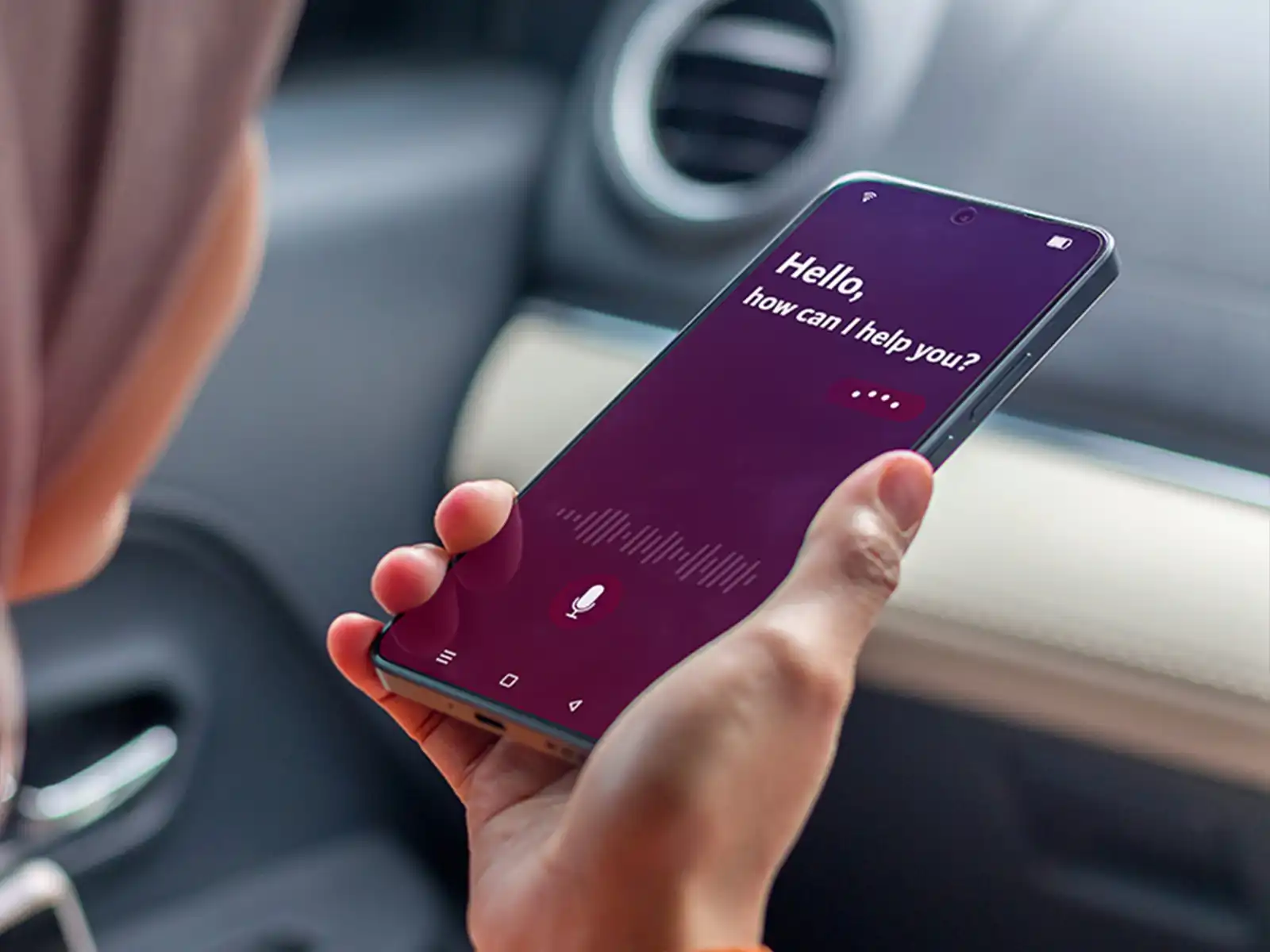
The interpreter joins by audio only, often on demand. It can be critical for high-volume, or for when speed matters, like a local authority helpline that handles calls in 30 languages, or a healthcare triage team connects to an interpreter in under two minutes at any hour.
OPI is built for volume, speed, and accessibility. It is not the right tool when visual communication is part of the interaction - but for a lot of routine service delivery, it is the most practical option.

Choosing the Right Interpreting Setup
| If your situation involves... | Use | Because |
| A court hearing, asylum interview, or sworn testimony | On-site | Legal admissibility often requires physical presence and certified interpreters |
| A clinical consultation or informed consent process | On-site or VRI | Accuracy and visual cues both matter - choose based on availability and urgency |
| Sign language communication | VRI | Audio-only services cannot serve this need |
| A high-volume helpline or access service | OPI | Speed and availability at scale - connections in minutes, 24/7 |
| An urgent interaction with no on-site interpreter available | VRI or OPI | Remote options cover gaps; choose VRI if visual context is relevant |
| An internal meeting or low-stakes briefing | OPI or VRI | Cost and convenience can take priority when the stakes are low |
When You Need More Than One Approach
Most organizations do not run on a single modality. A public institution might use on-site interpreters for hearings, OPI for its citizen helpline, and VRI to cover sign language needs across multiple sites.
That works well when the rules are clear: which modality applies to which type of interaction, who books it, and what happens when the default option is not available. Without that structure, staff default to whatever is easiest - which is not always the most appropriate option.
If you are managing interpreting across multiple teams or sites, the biggest operational gain often comes not from adding a new modality, but from making it easier for staff to access the right one consistently.
Key Takeaways
-
On-site interpreting is the right default for legally sensitive, regulated, or complex interactions where physical presence affects the outcome.
-
VRI extends qualified interpreting to situations where visual communication matters but on-site availability is a constraint.
-
OPI is the most practical option for high-volume, routine, or urgent access services where audio is sufficient.
- Most organizations use a mix - what matters is having clear rules about which approach applies when.
Not Sure Which Interpreting Setup Fits Your Organization?
Talk to an Acolad interpreting expert. We can help you map the right approach.