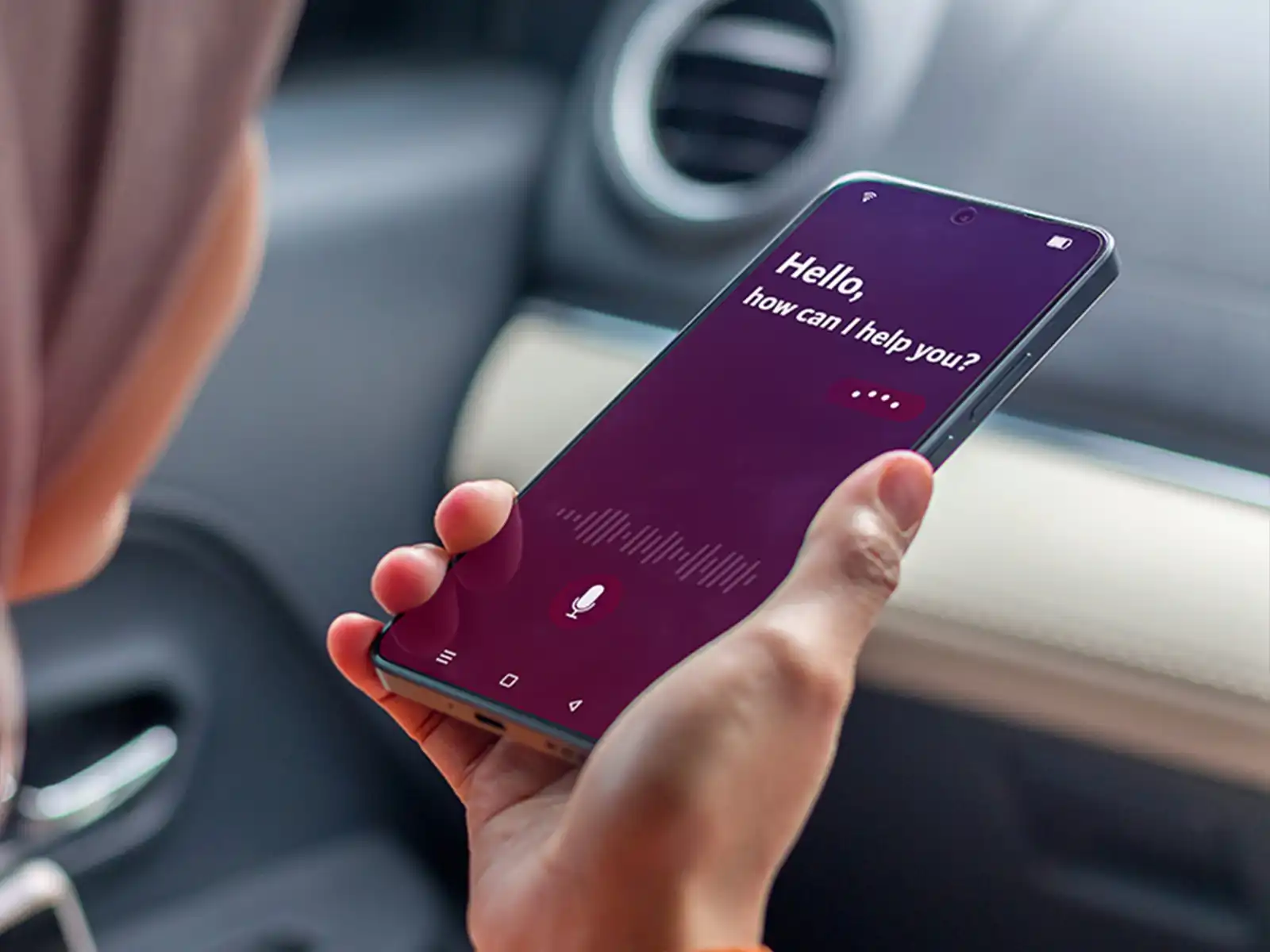
AI-Only, Human-Only, or Hybrid? Understanding Interpreting Models in Regulated Sectors
AI-Only Interpreting: Where It Fits
AI-only interpreting works best in low-risk, high-volume situations. Think simple customer service interactions or internal meetings with limited consequences.
In regulated industries, AI interpreting also offers clear advantages when applied to the right scenarios. When risk is low and context is controlled, organizations benefit from:
- Rapid scalability across languages and time zones
- Faster response times for high-volume non-critical interactions
- Improved access to multilingual services when human capacity is limited
- Cost efficiency, especially for predictable or repeatable use cases
Errors here are not just inconvenient. They can invalidate consent, compromise care, or undermine legal outcomes.
“AI-only interpreting has a place - but not without clear risk boundaries. In regulated environments, ungoverned automation can create exposure, not efficiency. That's why an expert partner can help guide the implementation of the best interpreting solution for each use-case.”
Giulia Silvestrini, Head of Global Interpreting, Acolad
Human-Only Interpreting: Trusted, Accountable, and Essential in High-Risk Moments
Human interpreters remain the gold standard for accuracy, nuance, and accountability. They are essential in courtrooms, medical diagnoses, and sensitive public services.
Human interpreting remains the most robust option for high-risk interactions, but it does require greater planning and investment. It is typically more costly than AI-led options and relies on availability across languages and time zones.
At the same time, human-only interpreting delivers clear advantages that regulated organizations continue to rely on:
- Proven accuracy for complex, high-stakes interactions
- Accountability and professional liability
- Deep understanding of nuance, intent, and emotion
- Trust and acceptance from patients, courts, and public authorities
Hybrid Interpreting: Splitting AI and Human by Use Case
Hybrid interpreting is about using the right interpreting mode for the right scenario - based on risk, predictability, and impact.
In practice, this means separating AI and human interpreting by use case:
AI interpreting for low-risk or predictable scenarios, where content is known in advance or outcomes are non-critical.
On-demand human interpreting for high-risk, fluid, or legally sensitive interactions, where accuracy, nuance, and accountability are essential.
This approach allows organizations to scale safely without forcing AI into situations it is not designed to handle.
From Strategy to Delivery: Why a Trusted Interpreting Partner Makes Hybrid Work
Implementing a hybrid interpreting model across a regulated organization is rarely straightforward. Use cases vary widely. Risk levels shift. Regulations differ by country, sector, and interaction type.
This is where an end-to-end interpreting partner adds real value. Rather than leaving teams to decide case by case, a trusted partner can advise, plan, and implement the right interpreting mix for your organization.
An experienced partner helps you:
- Map interpreting use cases by risk, impact, and regulatory exposure
- Define where AI interpreting is appropriate - and where human interpreting is mandatory
- Program-manage end-to-end interpreting delivery, combining AI and on-demand human interpreting
- Ensure confidentiality, compliance, and auditability across all interactions
Crucially, this approach removes guesswork. You gain a consistent interpreting strategy that adapts to different scenarios, supports innovation, and protects patients, citizens, and institutions - without compromising speed or scale.


















.jpg)