2026-03-12

What Is Video Remote Interpreting (VRI)?

Video Remote Interpreting (VRI) connects participants with a qualified interpreter through secure video in real time. This article explains how it works, when to use it, and how it compares with OPI.

A hospital needs a sign language interpreter at short notice. The nearest available interpreter is two hours away. A secure video connection brings one in within minutes - the patient can see them, the clinician can see them, and the conversation can happen. 

That is Video Remote Interpreting (VRI) in practice. This article explains more about what it is, how it works, and when it makes sense to use it over other interpreting options

The Short Version

Video remote interpreting (VRI) connects a qualified human interpreter to an interaction via secure video, in real time - combining the accessibility of remote delivery with the visual dimension of face-to-face communication

How a VRI Session Works

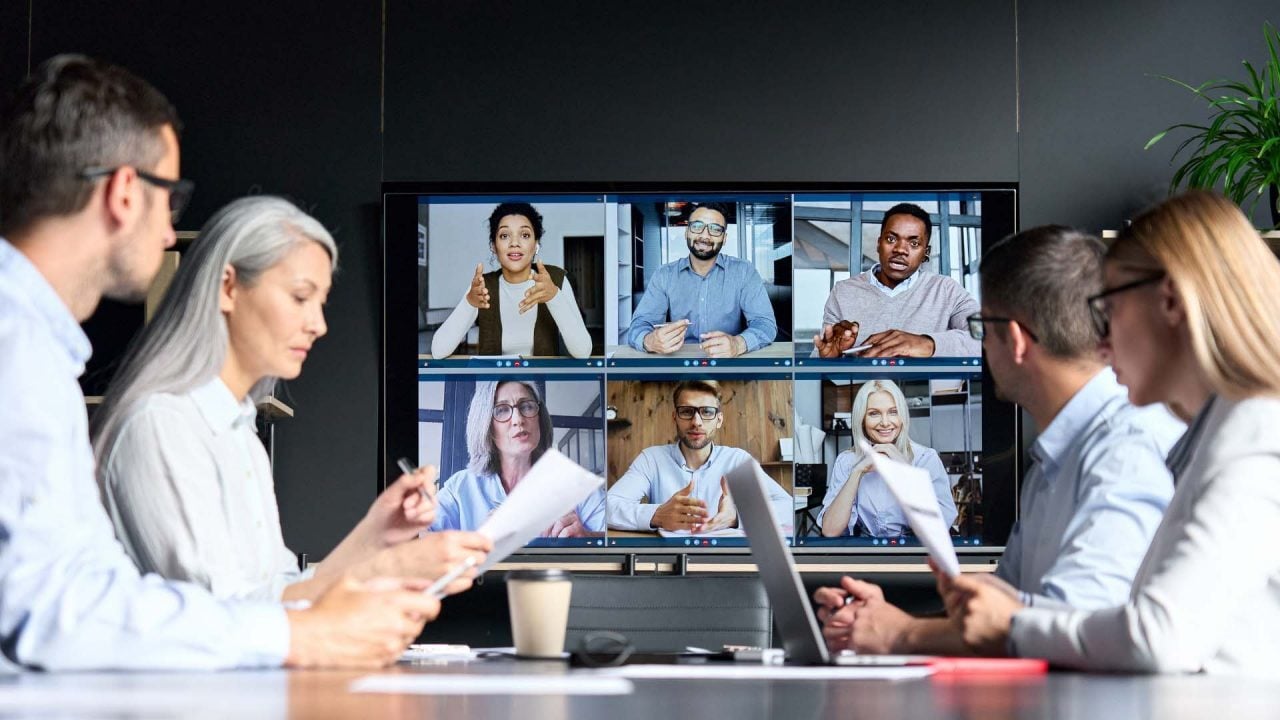
A staff member opens the VRI platform - on a tablet, laptop, or dedicated unit - selects the required language, and connects. An available qualified interpreter joins the video call, usually within minutes for commonly spoken languages.

From that point, the session works like any interpreted interaction: the interpreter facilitates the conversation in real time, rendering speech from one language to another. Everyone in the room can see the interpreter. The interpreter can see the participants.

Sessions are typically billed per minute or per session. Enterprise agreements usually include usage reporting so organizations can track volume and costs across teams or sites.

VRI requires a stable internet connection and a device with a camera and microphone. Those are the main technical conditions. When they are met, the service works reliably for most interaction types. 

Where Organizations Use VRI

VRI was first adopted at scale in healthcare and public sector settings, where demand for sign language interpreting outpaced the supply of on-site interpreters. It has since expanded across most enterprise contexts where remote delivery can substitute for physical presence.

Healthcare

Clinical consultations, triage assessments, and informed consent processes often involve visual communication that audio-only services cannot handle — a patient demonstrating pain, a clinician reading physical distress signals, or a complex exchange that depends on seeing each other clearly. VRI covers these situations without requiring an interpreter to travel to the site.

Public Sector and Legal

Courts, local authorities, and legal aid services increasingly use VRI for sign language interpretation and for situations where an on-site interpreter is unavailable at short notice. In many jurisdictions, VRI is accepted as a valid delivery method for most proceedings outside sworn testimony.

HR and Employee Relations

A disciplinary meeting, a return-to-work interview, a redundancy consultation - these interactions require an interpreter who can read the room. VRI makes it possible to run these sessions with a qualified interpreter without a week's lead time. 

VRI vs OPI: How to Tell Which One You Need

Both VRI and Over-the-Phone Interpreting (OPI) are remote services. The difference is the video connection - and whether that matters for your specific interaction.

Use VRI When... Use OPI When...
Visual communication is part of the exchange The interaction is audio-based and visual cues are not needed
Sign language interpretation is required Speed and volume are the priority
Seeing the interpreter builds trust or clarity The interaction is routine, structured, or short
On-site interpreting is not feasible and visual context matters Cost-efficiency is a key constraint

If you are not sure which applies, the practical test is simple: would seeing the interpreter change anything about this interaction? If yes, VRI. If no, OPI is likely sufficient. 

Key Takeaways

  • VRI connects a qualified human interpreter via secure video - it is not AI translation and always involves a real interpreter.

  • It is the right option when visual communication is part of the interaction: sign language, clinical consultations, HR proceedings, or any exchange where seeing each other matters.

  • It requires a stable internet connection and a camera-equipped device - when those conditions are in place, it works reliably.

  • The practical question is simple: would seeing the interpreter change this interaction? If yes, use VRI. If no, OPI is likely sufficient.

colorful portraits of people surrounding the Acolad logo

Want to Know if VRI Fits Your Needs?

Acolad provides VRI as part of a managed interpreting service - available on-demand, with qualified interpreters across a range of languages and sectors. Talk to one of our experts to discover more.

Related Resources