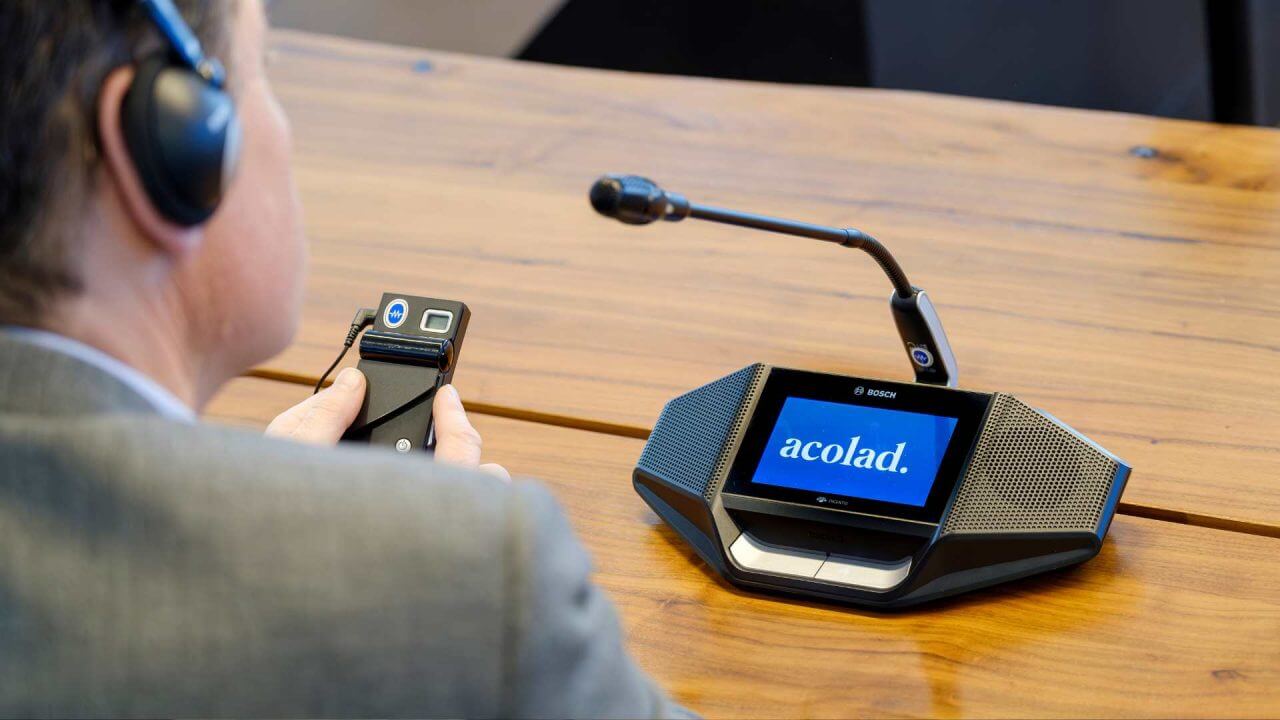





When an inspector arrives at a foreign site and your team doesn't speak their language, interpreting for audits bridges the gap: professional interpretation during inspections, certifications, and reviews. How you staff it depends on the stakes: human interpreters where findings carry legal weight, AI or hybrid support where the risk is lower. Throughout, preparation and traceability decide the outcome.
What Makes Audit Interpreting Different
An audit raises the stakes on every word. Answers given through an interpreter become part of the official record. A mistranslated word in a quality review can turn into a documented finding.
The stakes are rising. The FDA conducts around 3,000 foreign inspections each year across more than 90 countries. In 2025, it expanded its use of unannounced inspections at foreign sites, removing weeks of preparation time. The agency also reports that serious deficiencies appear twice as often at foreign sites as domestic ones.
Audit interpreting differs from event interpreting on four points:
-
Mode: most audits use consecutive interpreting, where the interpreter translates after each statement. It's slower but more precise for question-and-answer exchanges.
-
Terminology: interpreters need the audit's technical vocabulary, from GMP (Good Manufacturing Practice) terms to financial controls.
-
Neutrality: the interpreter conveys each statement in full, exactly as said.
-
Confidentiality: audit content is sensitive.Interpreters work under NDA and recognized standards such as ISO 18841 for interpreting services.
Human, AI, or Hybrid: Match the Setup to the Audit Type
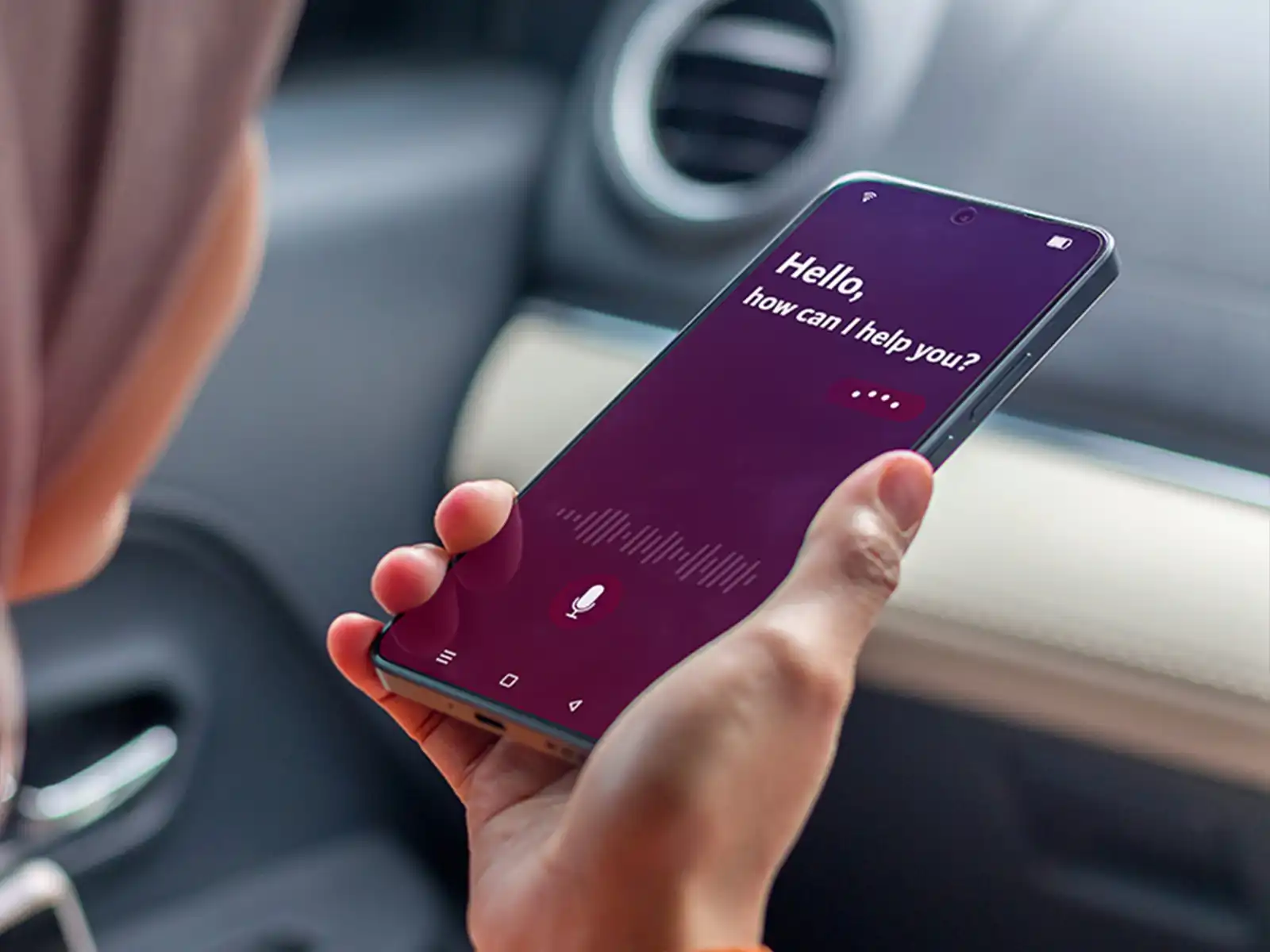
AI interpreting is speech translation technology that delivers real-time interpretation through synthetic voices, live captions, and transcripts. It now covers more than 80 languages. That makes it a real option for some audits, but not all of them.
The decision comes down to risk, interactivity, and documentation needs.
| Audit type | Recommended setup | Why |
|---|---|---|
| Regulatory inspection (FDA, EMA, notified body) | Human interpreter, onsite | Findings carry legal weight. Nuance and accuracy can't be left to a machine. |
| Certification audit (ISO, industry schemes) | Human interpreter, onsite or remote | Structured but high-stakes. A specialist interpreter handles auditor questioning. |
| Internal audit, multi-site review | AI or hybrid interpreting | Lower risk, recurring need. AI keeps costs predictable across sites and languages. |
| Supplier audit, due diligence | Hybrid: human for interviews, AI for document walkthroughs | Interviews need judgment. Routine sessions scale with AI. |
Hybrid interpreting combines professional interpreters with AI speech translation in the same engagement. AI interpreting brings clear benefits in cost and flexibility. The judgment call is where those benefits outweigh the risk of error.
Traceability Turns Interpretation into Audit Evidence
Auditors increasingly expect a written record of the exchange. Interpretation can deliver it.
An audit trail is the documented record of what was said, by whom, and when. Modern interpreting setups support it in three ways:
-
Live captioning gives all participants a written reference for virtual sessions.
-
Transcripts capture the full exchange in source and target languages.
-
Interpreter credentials document who interpreted and under which qualification standard.
This matters beyond the audit itself. If a finding is disputed, the transcript shows what was actually asked and answered. For regulated sectors, that record can be the difference between a closed observation and an escalation.
How to Prepare Interpreters Before the Audit
Interpreter performance depends on preparation more than talent. Three steps make the difference:
-
Brief early. Share the audit scope, agenda, and site documentation at least a week ahead.
-
Build a terminology list. Agree on translations for technical terms, product names, and acronyms before day one.
-
Define the protocol. Decide who the interpreter supports, where they sit, and how breaks work. Consecutive mode adds time to every exchange. Build that into the agenda.
A language partner should handle this preparation with you, not leave it to the interpreter alone. Acolad manages interpreter selection, briefing, and delivery across onsite, remote, and AI interpreting, under ISO 18841 and ISO 27001 frameworks.
Key Takeaways
-
Audit interpretation becomes part of the official record, so accuracy requirements exceed standard business interpreting.
-
Regulatory inspections call for human interpreters; internal and supplier audits can run on AI or hybrid setups.
-
The FDA performs around 3,000 foreign inspections yearly, and it expanded unannounced foreign inspections in 2025, cutting preparation time.
-
Transcripts, live captions, and interpreter credentials create an audit trail that protects you if findings are disputed.
-
Terminology lists and interpreter briefings a week before the audit prevent most interpretation failures.










.jpg)