2026-03-11
How to Plan Interpreting for a Conference or Multilingual Event
A minister gives the opening address. Delegates from seven countries are in the room, following the speech in their own language through a receiver in their ear. A simultaneous interpreter at the back of the hall renders every word in real time.
Getting that right takes more than booking an interpreter two days before the event. Conference interpreting follows its own planning logic, and the decisions you make months in advance can determine whether the event runs smoothly.
This article covers the key questions: which delivery model fits your event format, what your interpreters need from you before they arrive, and what to include in a brief to your provider.
The Three Delivery Models for Conference Interpreting
On-site Simultaneous Interpreting
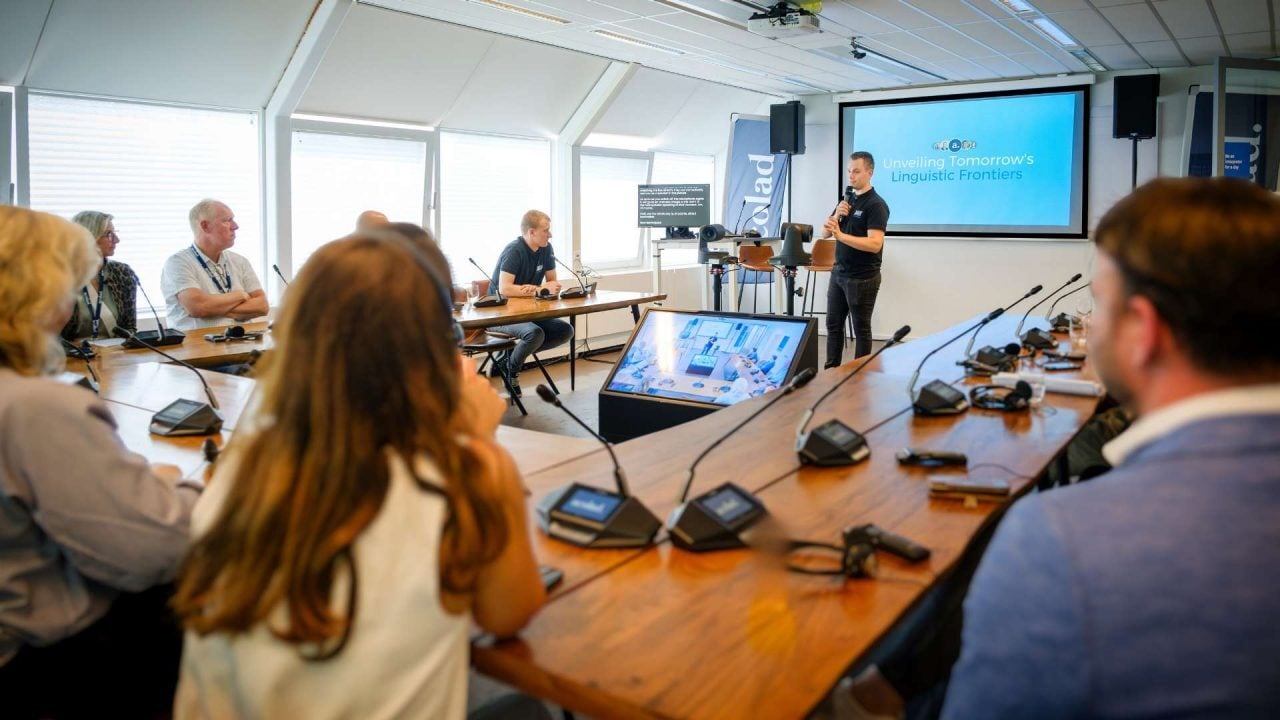
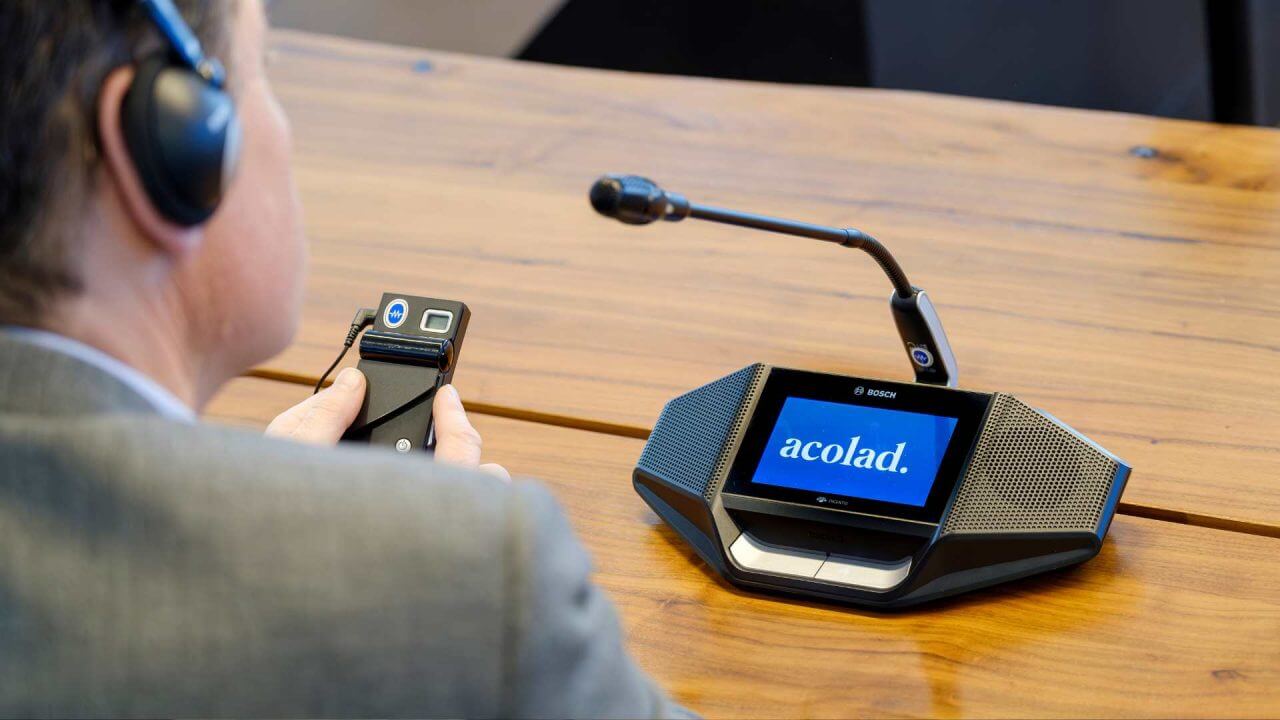
Interpreters work in soundproof booths at the venue, rendering speech into the target language in real time. Delegates listen through receivers distributed at the venue. This is the standard, traditional model for formal institutional conferences, international summits, and events where audio quality and interpreter presence in the room both matter.
On-site interpreting often requires at least two interpreters per language pair - they rotate every 20 to 30 minutes to maintain accuracy during long sessions. It also requires booth installation, technical equipment, and advance setup time at the venue.
Remote Simultaneous Interpreting (RSI)
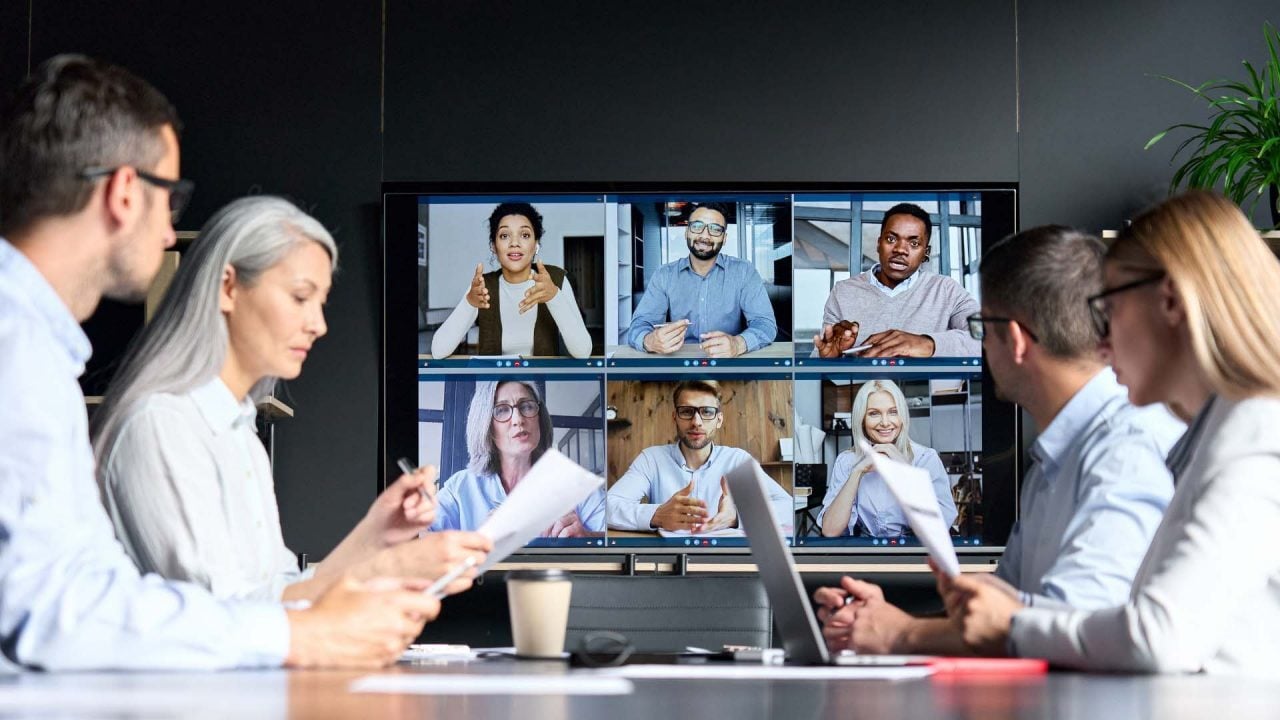
Interpreters work from a remote location, receiving the audio or video feed of the event and delivering interpretation through a dedicated platform. Delegates follow the interpretation on their own device or through a receiver.
RSI has been widely adopted for hybrid and fully virtual events. It expands the pool of available interpreters and reduces venue setup costs. It requires a high-quality, stable audio feed from the event and a tested, supported platform - poor audio at the source is the most common cause of RSI problems.
Hybrid Delivery
Some language pairs are delivered on-site, others remotely - within the same event. This model is common when organizers need a specific interpreter on-site for the primary language while additional languages are covered remotely. It requires careful coordination: the technical setup must support both streams simultaneously.
Choosing the Right Model for Your Event
| Event Format | Recommended Model | Key Condition |
| Formal institutional conference, in-person | On-site simultaneous | Venue has space and lead time for booth installation |
| Hybrid conference (in-person + remote attendees) | RSI or hybrid | Reliable audio feed from the venue; tested platform |
| Fully virtual event | RSI | Platform tested in advance; interpreters briefed on tech |
| Smaller working meeting or workshop | OPI or VRI | Fewer languages, shorter duration - booths not justified |
| Event with sign language requirement | On-site or VRI | Sign language cannot be served by audio-only solutions |
What Interpreters Need from You Before the Event
Conference interpreters prepare extensively for each assignment. The quality of what they deliver on the day depends directly on what you give them in advance.
Agenda and Speaker List
Interpreters need to know the structure of the event, who is speaking, and for how long. Last-minute changes - a speaker added the evening before, a session that runs 45 minutes over - affect performance. Share the agenda as early as possible, and flag changes as they happen.
Speeches and Presentations
If speakers are reading from a prepared text or using slides, interpreters should receive these in advance - ideally 48 to 72 hours before the event.
This allows them to prepare terminology, check pronunciation of names, and anticipate content structure. A speaker who shares nothing in advance and speaks quickly is the most common source of quality issues at conferences.
Terminology and Glossaries
Technical events - scientific conferences, policy summits, specialist sector forums - involve terminology that interpreters may not encounter in standard work.
A short glossary of key terms, acronyms, and proper nouns in the working languages makes a significant difference to accuracy and consistency across the day.

- Confirm language pairs and number of delegates per language - this determines booth count and interpreter teams.
- Book interpreters well in advance for major events; rare language pairs may require longer lead time.
- Confirm venue layout and booth installation requirements with your provider - not all venues can accommodate standard booths.
- If using RSI: test the audio feed and platform as early as possible before the event.
- You should be prepared to share your agenda, speaker list, and presentations to interpreters in advance.
- Provide a terminology glossary for technical or specialist content.
- Confirm delegate receiver logistics - distribution, collection, battery backup.
Key Takeaways
-
Conference interpreting requires early planning - decisions made months out determine quality on the day.
-
The right delivery model (on-site, RSI, hybrid) depends on your event format, venue, and the languages required.
-
Interpreter preparation matters: agenda, presentations, and terminology glossaries delivered in advance directly affect output quality.
-
For hybrid or RSI events, audio quality at source is the single most important technical factor - test it well before the event.
Planning a Multilingual Conference?
Acolad supports conference and event interpreting across on-site, RSI, and hybrid formats, from language planning and interpreter briefing to technical setup and event-day support.