




Key insights from Connect 2026, Acolad's first invitation-only executive session
The AI Adoption Decision is Already Made

In his keynote, The Decision You Already Made, Renato Beninatto of Nimdzi made a simple case: AI adoption is no longer a decision leadership is weighing; it has already happened. In most organizations, it happened on the ground, driven by the teams using the tools, well ahead of the executives who assume they set the policy.
Leaders describe a roadmap, a controlled pilot, clear guardrails. The teams doing the work describe a deadline, a tool, and content that shipped on Tuesday. Approved policy covers a handful of tools, while people quietly use dozens, on live content, in languages no one in the approval chain can read.
For Beninatto, this is simply people doing their jobs. That reframes what actually matters: who owns the decision, and who is in the room when it gets made. These questions count for far more than which tool a team picks.
The economics raise the stakes. AI has made producing content almost free, while the cost of getting it wrong has climbed sharply.
"You cannot fire the AI. If no one owns the risk, you rebuild the function you just dismantled."
Renato Beninatto, Chairman & Co-Founder, Nimdzi
Changing the AI + Human Recipe
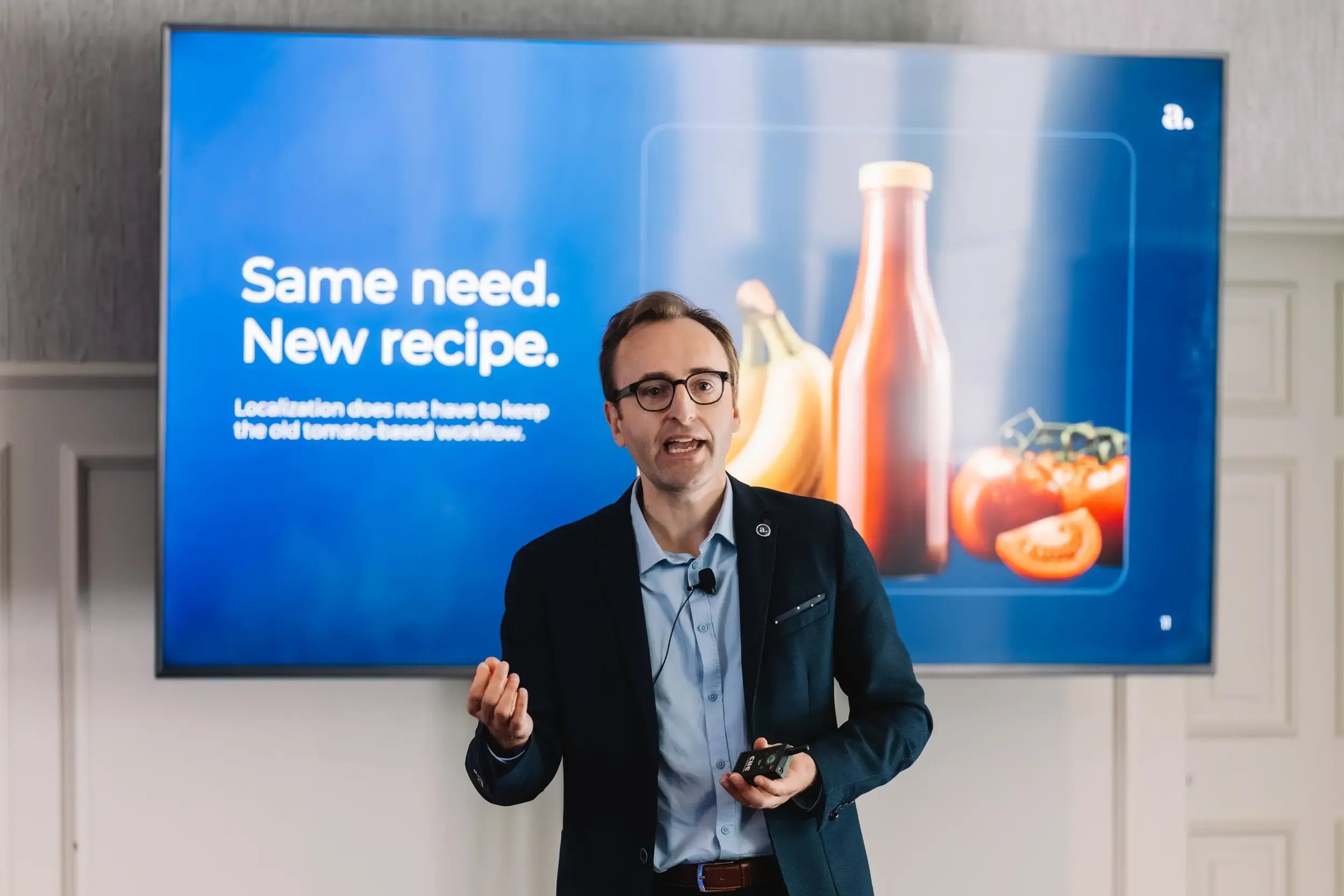
If Beninatto framed the risk, Acolad's Stéphane Cinguino reframed the opportunity. In Beyond Translation: How AI Is Rewriting Content Operations, he argued that the mistake is treating AI as a quicker version of the workflow you already run.
He reached for banana ketchup, the Filipino staple created to suit local conditions, when bananas were plentiful and tomatoes were scarce. It became a product in its own right. The lesson is about outcomes: hold on to the result you want, and let the recipe change to fit the conditions.
The same applies to global content. Customers experience meaning, clarity and trust; the segments and strings behind the scenes are invisible to them. So the human role is moving upstream, from fixing AI output after the fact to designing the context, rules and compliance logic that produce better output in the first place.
The Friday-afternoon scenario was simply what happens when that upstream work gets skipped.
"The outcome is what matters. The recipe can change."
Stéphane Cinguino, Chief AI, Product & Technology Officer, Acolad
Real-World Commitments for AI Implementation
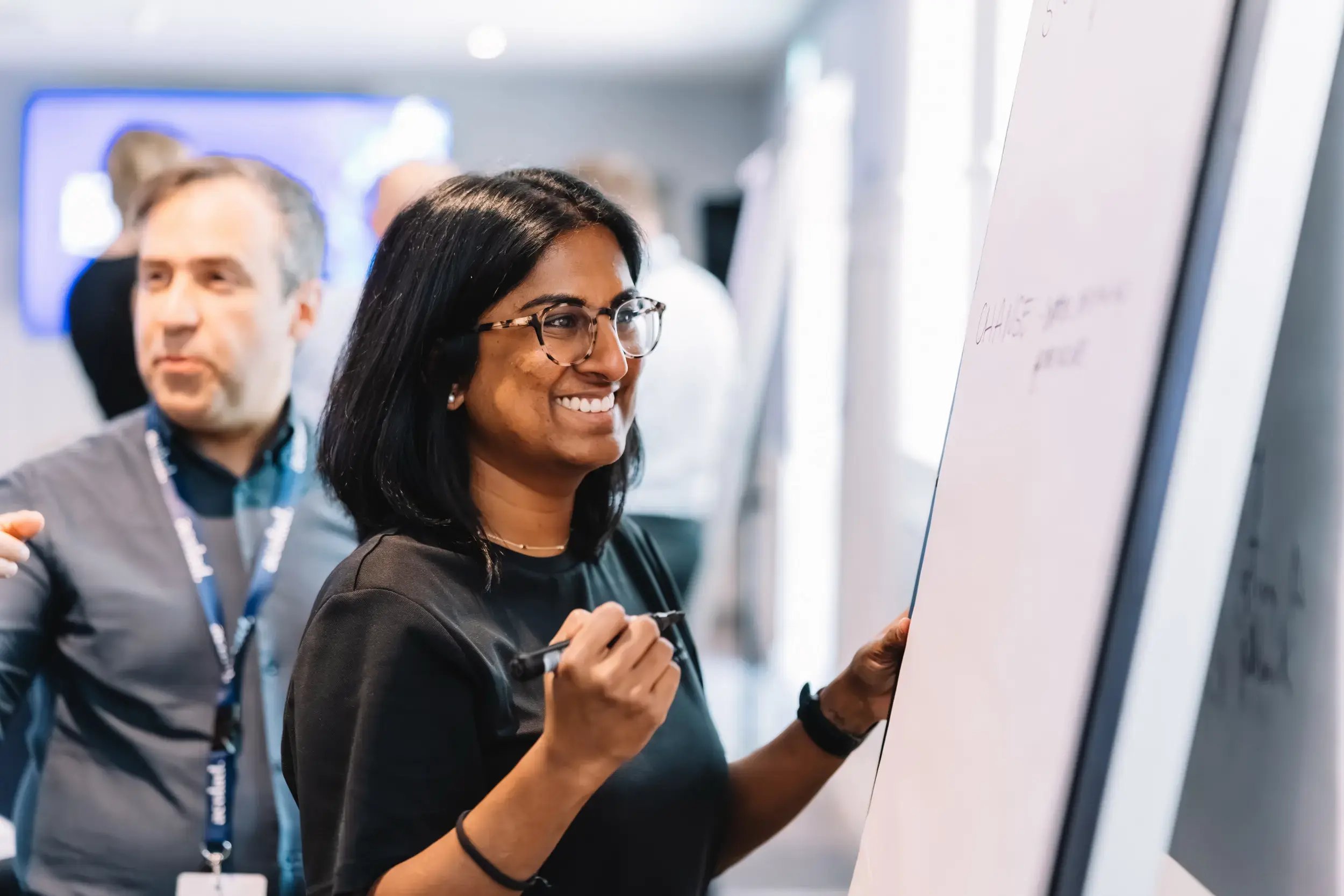
The working groups were asked to land on commitments, and three shifts came through clearly:
-
Stop treating AI as a technology choice. The real work lies in governance, accountability and change management. It starts with pausing automated releases of unreviewed content, and treating localization as a function that owns decisions rather than simply executing them.
-
Change from producing content to orchestrating it. As AI accelerates creation, the value shifts to managing complexity: consistency, compliance and relevance across markets. It also means reframing the C-suite conversation around business value and investment, rather than efficiency alone.
-
Decide where AI creates value, and where humans stay essential. Choose deliberately which work to automate, where human judgment is required, and who owns the outcome, especially for regulated content and other high-stakes communication.

































%20(1).jpg)