Imagery

The closer you manage to represent the user's culture, the stronger they’ll connect with your message.

Overview

Our imagery should always be in alignment with our core brand values. Images should be positive, familiar, trustworthy, transparent and authentic.  To achieve this, our photography system includes 2 high-level categories: Corporate and Lifestyle. 

Within these top categories, we further define images by their content type as Personalized, Depersonalized, or Environmental.

  • Personalized imagery features a primary subject of one or more people in an authentic moment.
  • Depersonalized imagery includes human presence but doesn't focus on a particular person. For example, the crop shows hands typing on a keyboard, but you don't get a full sense of the person typing.
  • Environmental imagery emphasize physical spaces with little to no human presence at all.
Corporate Images

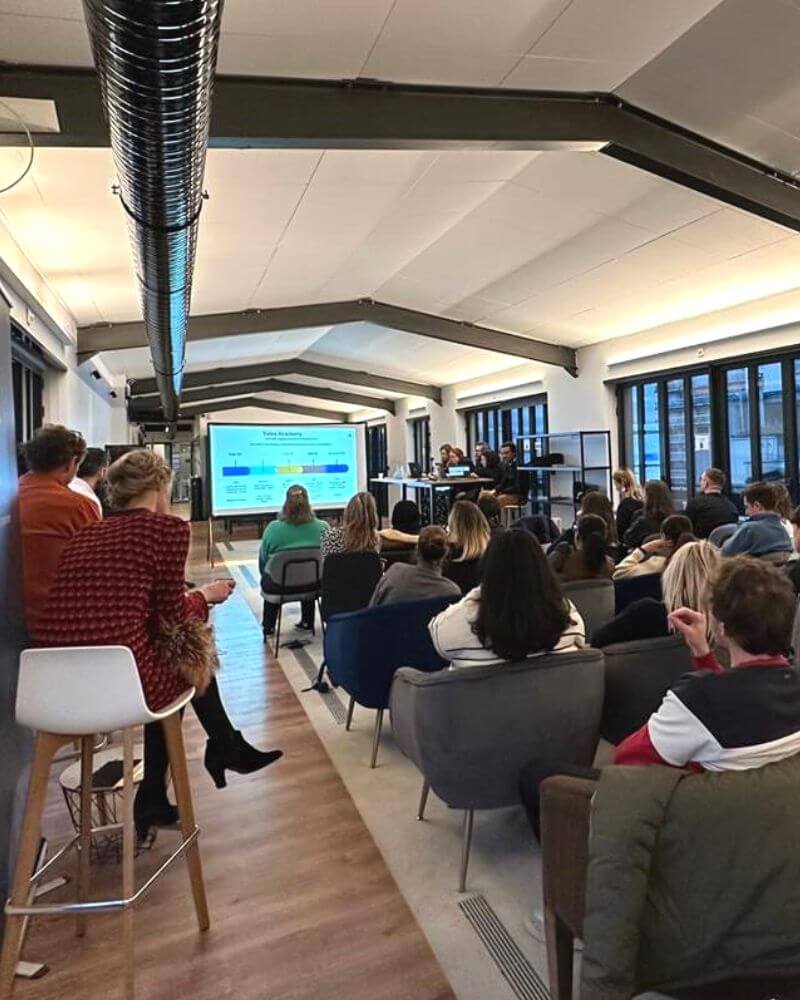
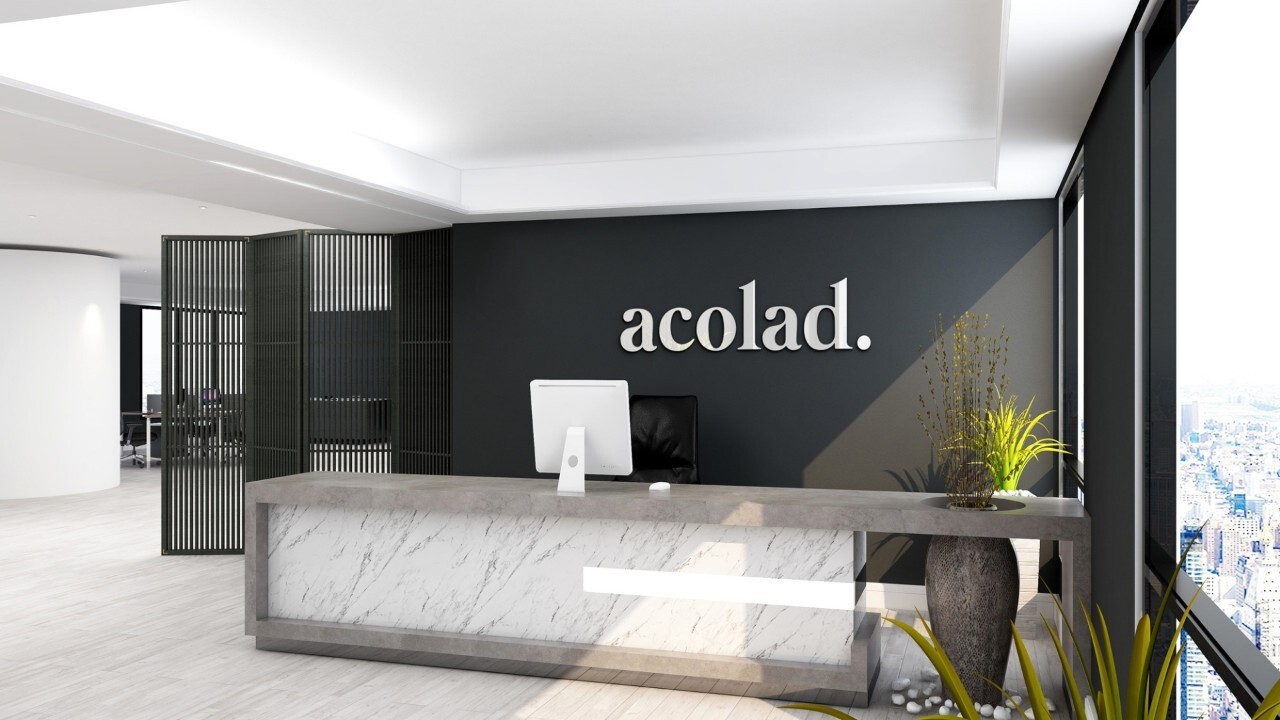
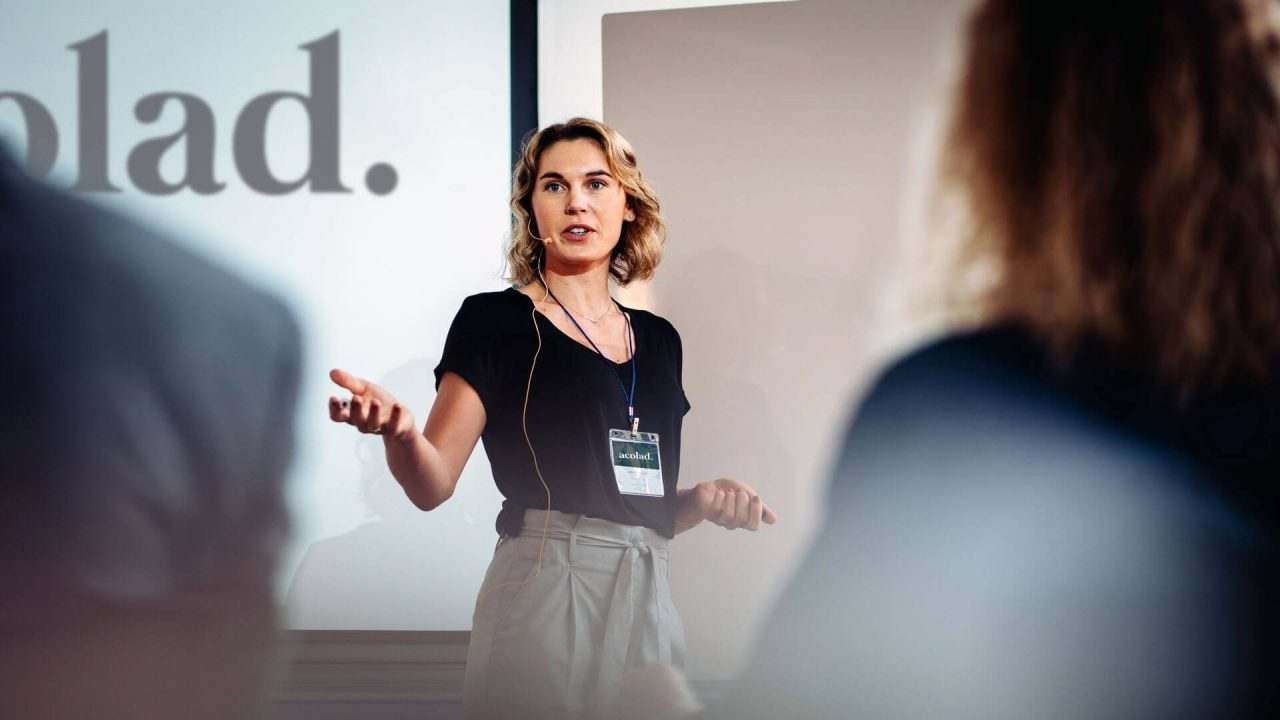
The Marketing Team has curated these photographs to capture the authentic Acolad life in the offices or at events. They are ideal for situations where we want to put the brand first and personalize our tone, as they enable users to identify with the experience of the subject matter. They can be personal, depersonalized, or use spaces.

acolad-event-speaker

Corporate Image
Personalized
acolad-sales-meeting-france-office

Corporate Image
Depersonalized
acolad-office-mockup

Corporate Image
Spaces

Lifestyle Images

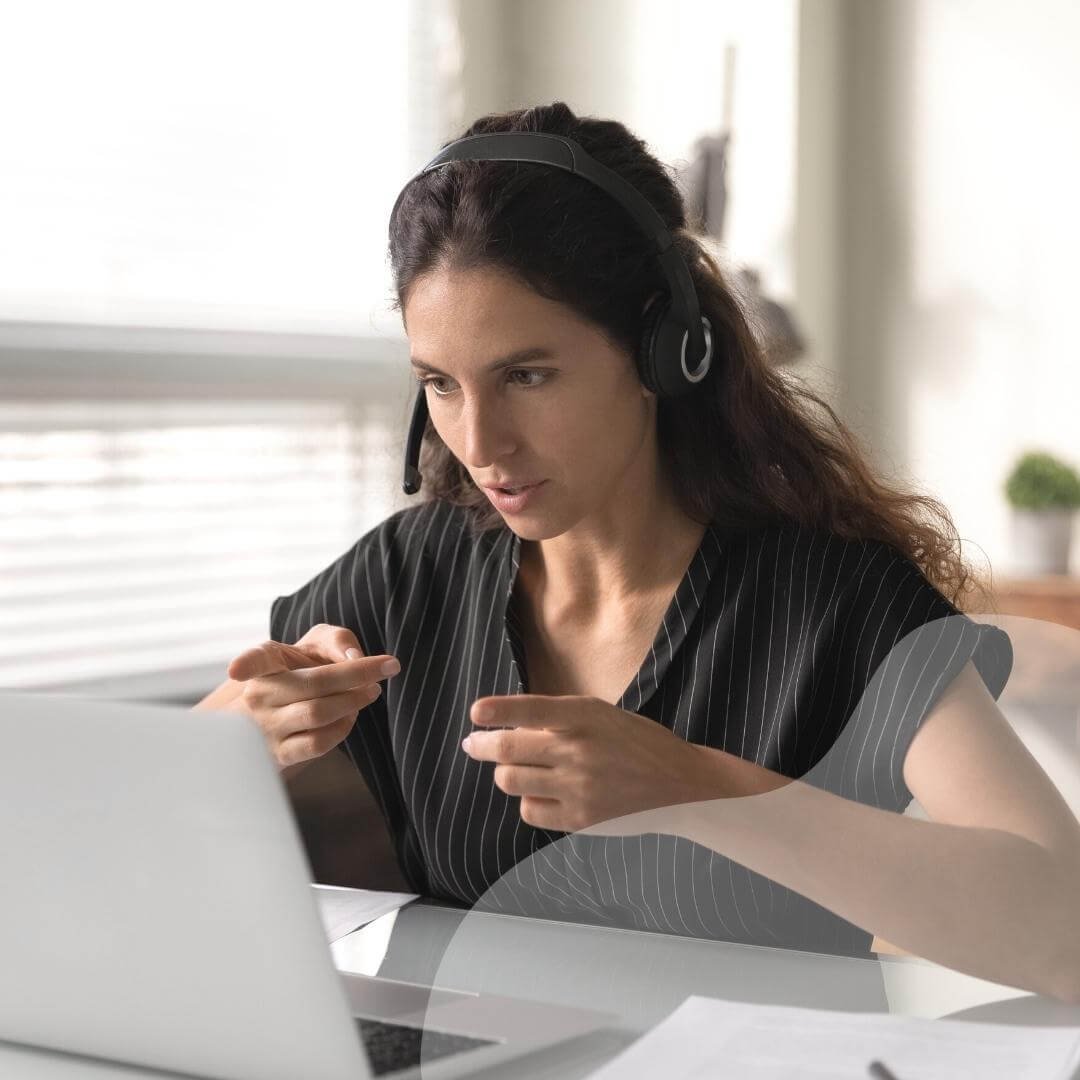
We mainly use curated stock photos here. These photos aim to convey real-life situations, people, and emotions in a relatable and aspirational way that aligns with our core brand values.

office-photo-002481

Lifestyle Image
Personalized
office-photo-342

Lifestyle Image
Depersonalized
office-photo-367

Lifestyle Image
Spaces

Embrace Cultural Awareness

Be sensitive to the culture you're targeting. Choose images that will be relatable there. We want the image to resonate with the end user and not feel foreign.


Image Misuse

Be sensitive to the culture you're targeting. Choose images that will be relatable there. We want the image to resonate with the end user and not feel foreign.

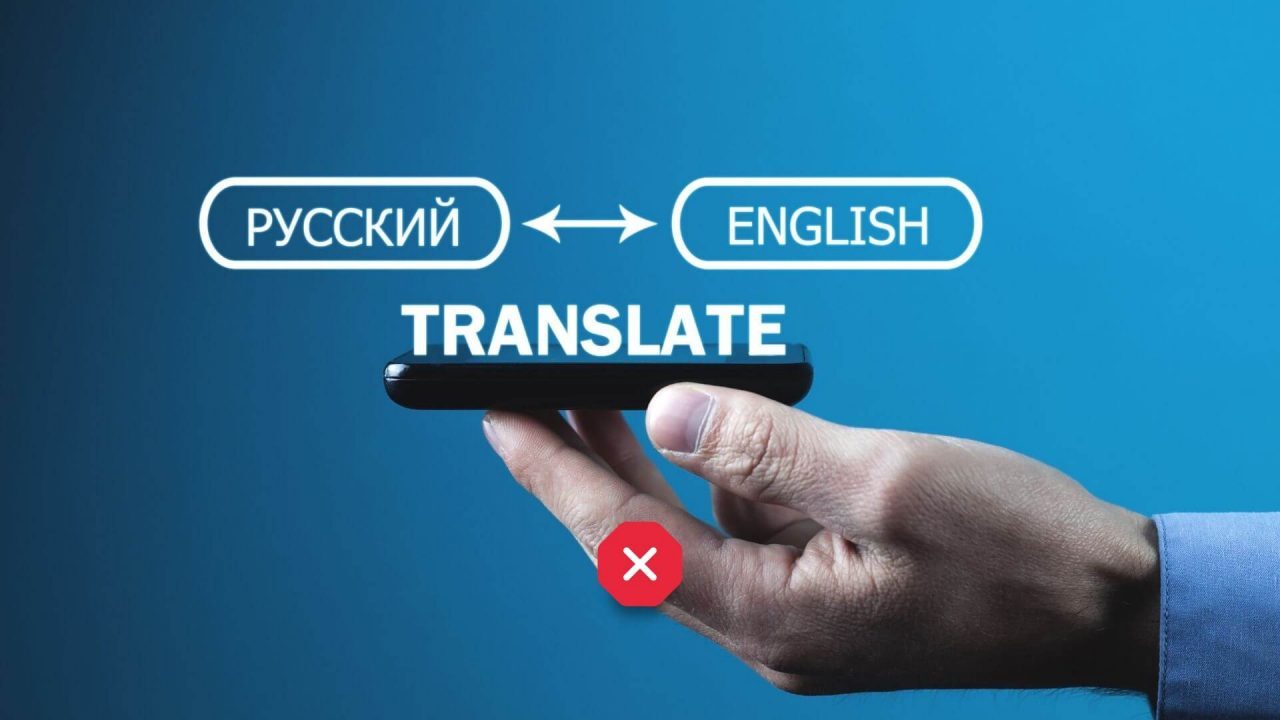
images-text-as-a-primary-feature

Do not use images that contain text as a primary feature

  • Text within images can create extra steps during the localizaion process, and sometimes translation isn't possible at all.
  • Images are often scaled differently across various devices. What's legible on a full-size desktop image may be unreadable on mobile.
  • Text within images can create accessibility issues for search engines and users with vision impairments or those who rely on screen readers in a digital environment.
clip-art

Do not use clip art

We do not want to show dated styles nor inconsistent styles in our graphics. Instead of clip art or similar out-of-the-box graphics, do use icons from Google Material Symbol library or photographs from Acolad approved photography.

literal

Do not use “clever” or overly literal stock photography

cliches

Do not use clichés

lens-effect

Do not use images with filters

No lens flare, no filters.  Avoid fisheyes lens effects, strong bokeh lighting, and extreme color corrections. Pictures don’t need to be real. They need to feel real.